Subsidies & Money
Subsidies for Modular Hotels and Glamping Sites 2026: Government Support Terms
July 22, 2026 · 7 min read · TF Module
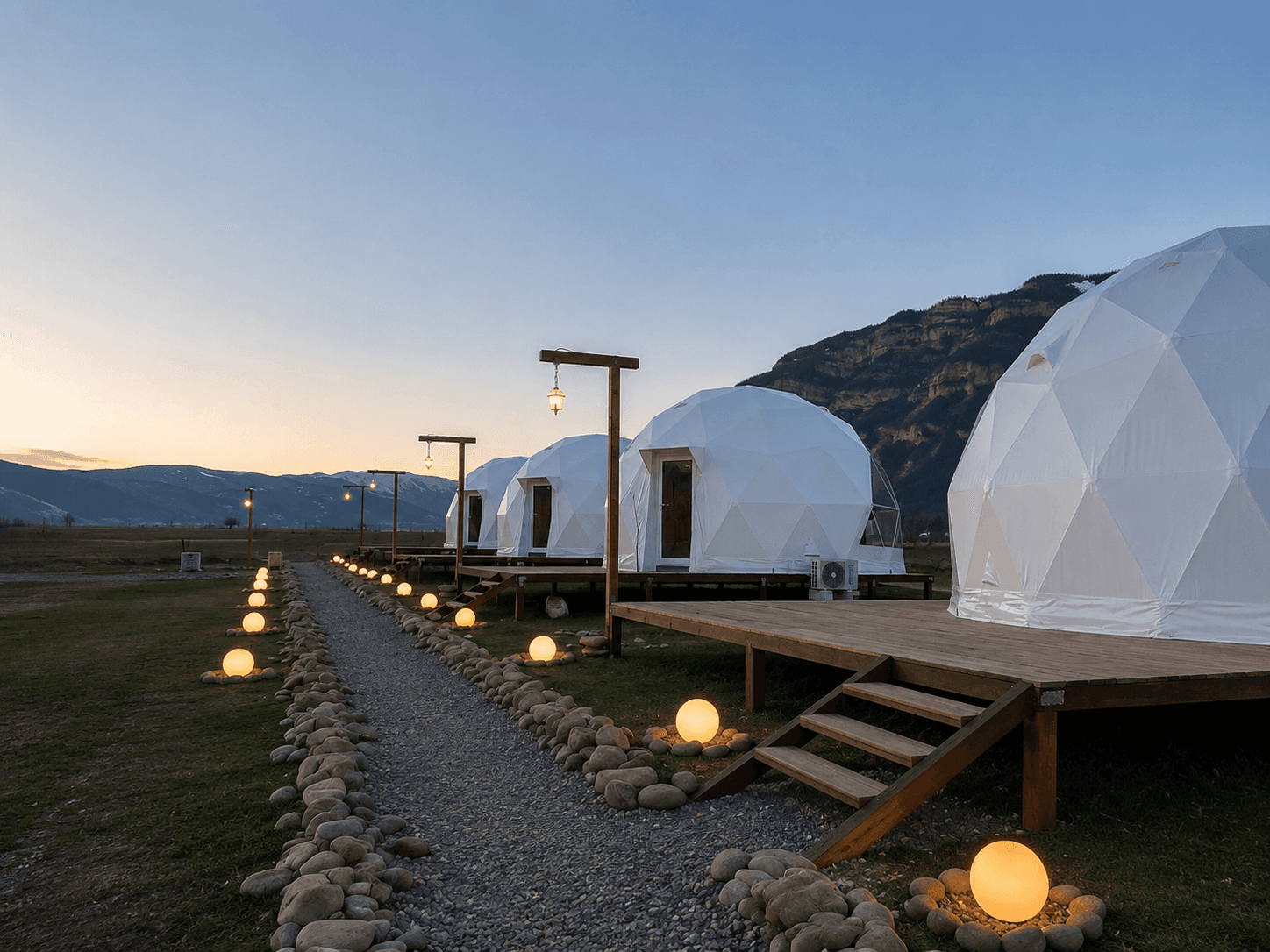
In Russia, there's a government program that lets an entrepreneur build a tourism property — a glamping site, a modular hotel, or a resort — and recover part of the investment from the budget. This is about subsidies under the national project "Tourism and Hospitality." Let's look at who can qualify for support, how much the government compensates, and how a TF Module project fits into this model.
What this program is
Subsidies for building modular hotels are provided under the "Tourism and Hospitality" national project and the "Tourism Development" state program. One of the project's goals is building modular non-capital accommodation facilities, which is expected to add around 10,000 new rooms. The program is overseen by Russia's Ministry of Economic Development, with funds distributed by the regions.
The logic behind the support is simple: the government wants fast growth in room stock in tourist zones, and modular non-capital structures go up in weeks, not years. That's why a significant share of the support is directed at them.
How much the government compensates
Funding works on a co-financing basis. Building modular hotels works like this: at least 50% of the project cost comes from the business, and the government covers the other half through the subsidy. Government support of up to 1.5 million rubles can be provided per room.
Funds can be spent on purchasing and installing modular structures, as well as on utility connections. This is a key point: the subsidy covers exactly the cost block that forms the core of a modular hotel project — the modules themselves and their installation.
Who can qualify and what requirements apply to the property
Legal entities and individual entrepreneurs can apply for support. A number of requirements apply to the property itself, including:
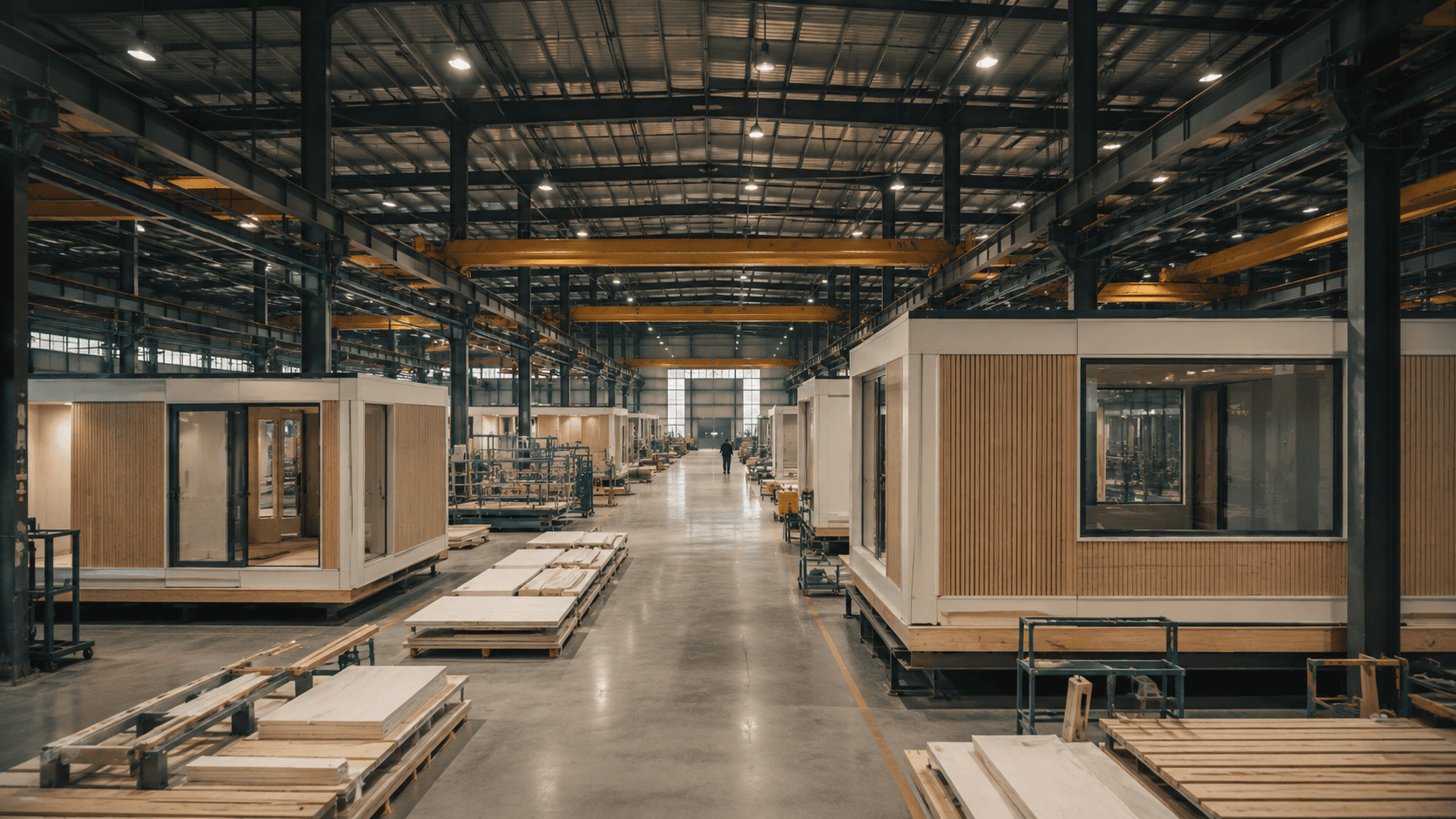
Factory-built modules. Support is intended for building modular hotels where each room is at least 16 sq. m and factory-built.
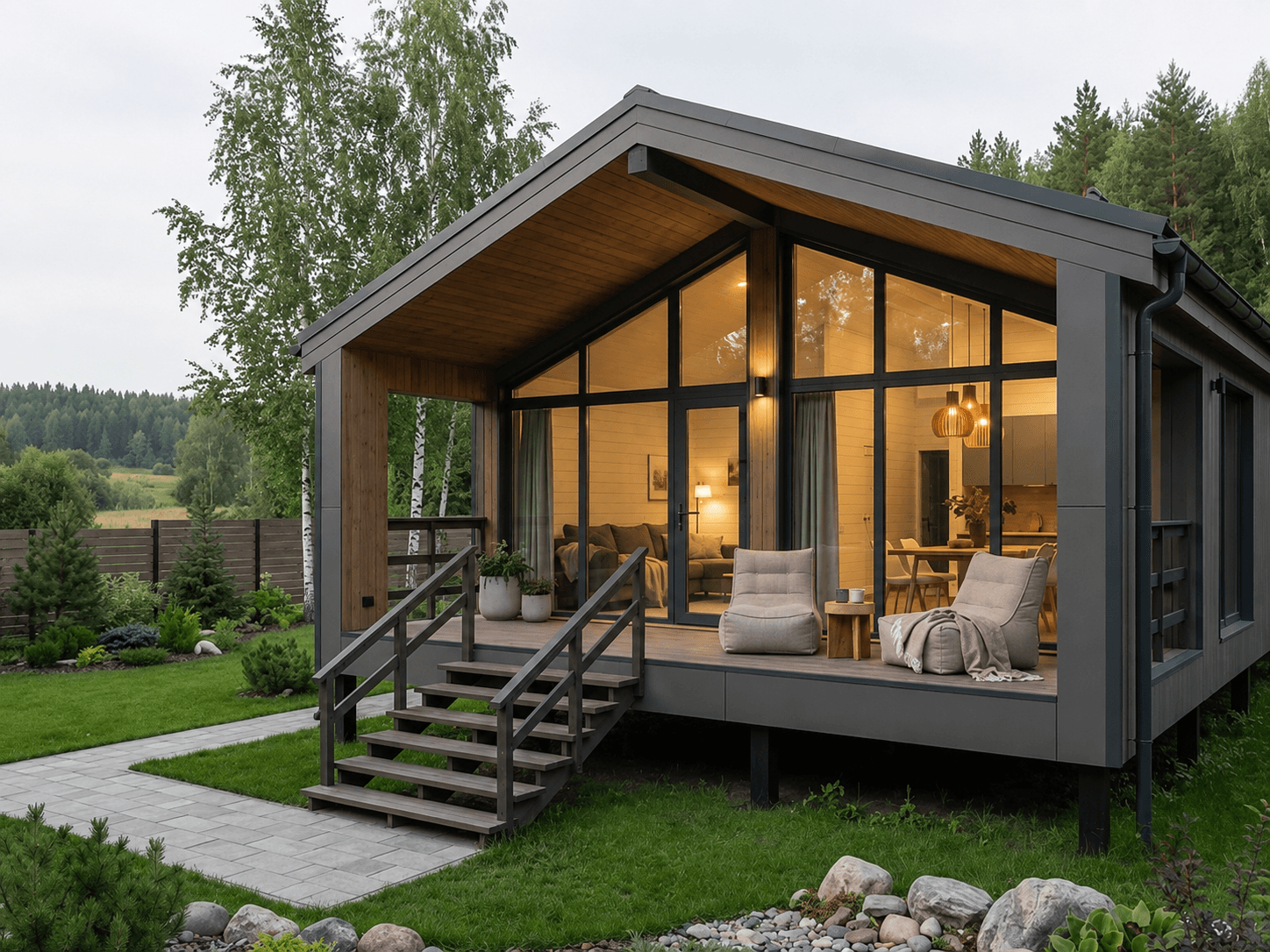
Year-round use and comfort. Conditions include compliance with fire-safety codes backed by a mandatory certificate, year-round use, and a private bathroom in each room.
Operating period. Modular structures are expected to be in use for at least three years after commissioning.
Projects near tourist sites and routes, and those with utility connections already in place on the site, get priority in selection.
How the subsidy process works
The selection mechanism runs top-down through the region. The Ministry of Economic Development announces the competition and sets the deadlines; regional ministries collect applications from entrepreneurs; the business prepares documents and submits an application to the regional tourism authority; the region forwards a combined application to the ministry; after a decision, the regions announce the winners and sign contracts with them.
In practice, the first step for an entrepreneur is to contact the local administration or the regional tourism committee to get the current requirements and document list, then prepare a project for the future property specifying the location, land category, number of rooms, timeline, and the amount of the entrepreneur's own investment.
Important: submission deadlines and the document list vary by region and change during the year. Always check the current selection terms in your region at the time of submission.
Where TF Module fits in
The subsidy compensates the cost of purchasing and installing modules — and a finished modular property is exactly what TF Module produces. We run the full project cycle: we develop the project for a specific brief (glamping, a hotel complex, a resort), put together the technical brief, select a factory for the task, and oversee manufacturing and acceptance.
For an entrepreneur, this means the following. A project for government support needs factory production, code compliance, and a clear budget — exactly what we deliver. You come to us with a brief and a site, and you get an engineered project and a factory-built property, part of the cost of which may be compensated from the budget under the program. A government subsidy and a premium modular property from a vetted factory add up to one economically sound project.
At the same time, we're upfront about the boundaries: TF Module manufactures and delivers the property, while filing the subsidy application and dealing with regional authorities is handled by the investor themselves or a grant consultant they bring in. We help on the project and technical-documentation side — the part that quality largely depends on for getting through selection.
In short
The government co-finances the creation of tourism properties and is ready to compensate a significant share of modular-construction costs. The program runs in dozens of regions and is aimed specifically at quick-to-build modular properties. Selection terms change, so the exact amount and deadlines should be checked in your region.
The calculated structural service life is 50–100 years; specific warranty terms are fixed in the contract.
This information is for reference only and does not constitute an offer or a guarantee of receiving a subsidy. The terms of government support, payment amounts, and application deadlines are set by regulations and regional authorities, change over time, and are confirmed individually. TF Module does not file subsidy applications and does not guarantee they will be approved.